
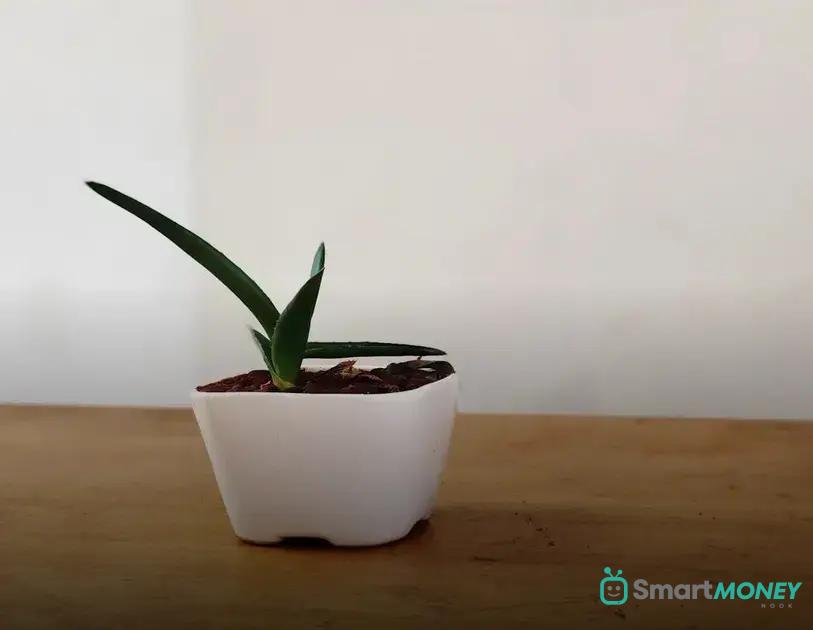
Pruning 101: Keeping Your Plants in Shape is essential for any gardener wanting to maintain healthy and vibrant plants. Proper pruning helps direct growth and removes dead or diseased parts, improving both plant health and appearance. Before you start cutting, understanding plant anatomy and knowing the right timing are crucial aspects covered in this guide. Let’s dive into the world of pruning and learn how to keep your plants in perfect shape!
Understanding Plant Anatomy
Plants have various parts, each with a unique role, contributing to their overall health and growth. Roots anchor the plant and absorb water and nutrients. Stems support leaves, flowers, and fruits, acting as a conduit for nutrients and water between the roots and leaves.
Leaves are essential for photosynthesis, turning sunlight into energy the plant needs. Understanding these basic components is crucial when considering pruning. Pruning involves the careful cutting back of certain parts of the plant to encourage healthier growth and structure.
For instance, cutting the stem just above a node can promote new leaf growth. Recognizing where a plant is growing vigorously and where it lack helps in deciding which parts need trimming. Flower buds form on stems and knowing their formation and growth stage tells us when it’s the right time to prune.
Branches
can become tangled and block light if not managed, which highlights the importance of targeted pruning. This ensures that plants have enough energy to support all their parts efficiently.
Benefits of Regular Pruning
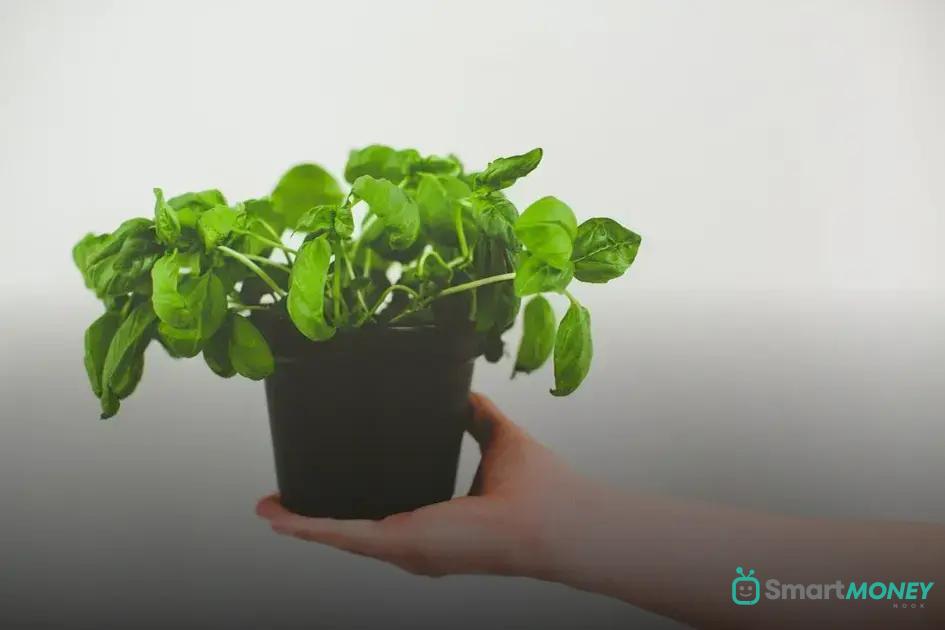
Enhanced Growth: Regular pruning stimulates plant growth. By trimming overgrown branches, plants can direct their energy towards healthier parts, promoting robust growth. This leads to fuller, more vibrant plants.
Improved Plant Structure: Pruning helps shape the plant, creating an aesthetically pleasing structure. It’s crucial for maintaining the desired form and removing any sections that may disrupt the plant’s natural balance.
Better Air Circulation:
By removing excess branches, air circulation improves around the plant. This decrease in density reduces the chances of disease, as moisture can evaporate more efficiently.
Increased Sunlight Exposure:
Strategic pruning allows sunlight to reach interior leaves. This ensures that all parts of the plant receive essential sunlight, aiding in photosynthesis and overall health.
Pest and Disease Control: Removing dead or diseased parts of the plant prevents the spread of pests and diseases. This proactive care can significantly enhance a plant’s resilience against threats.
Boosted Flower and Fruit Production: For fruit-bearing plants, pruning is key to enhancing fruit quality. By limiting excess growth, the plant can concentrate resources on producing high-quality fruits and flowers.
Essential Tools for Pruning
When it comes to pruning, having the right tools can make all the difference in maintaining the health and appearance of your plants. Here’s a breakdown of some essential tools for pruning every gardener should have:
- Pruning Shears: Perfect for cutting small branches and stems, pruning shears are indispensable. Bypass shears are great for live branches, while anvil shears can be used for dead wood.
- Loppers: Ideal for larger branches up to 2 inches in diameter, loppers have long handles for extra leverage. Choose loppers with a sharp blade and a comfortable grip.
- Pruning Saw: For branches that are too large for shears and loppers, a pruning saw is essential. Look for a saw with a curved blade to facilitate easy cutting.
- Hedge Clippers: These are crucial for shaping bushes and hedges. Ensure they are sharp and clean for the best results.
- Gloves: While not directly affecting the cut, gloves protect your hands from thorns, splinters, and the elements. Opt for durable and flexible gloves that provide a good grip.
- Disinfectant: It’s essential to clean your tools before and after use to prevent the spread of diseases. Use a suitable disinfectant for garden tools.
Having these tools handy will ensure you’re prepared for any pruning task, helping to keep your garden in pristine condition. Always select quality tools that suit the type of pruning you plan to do, and remember that maintaining your tools is as important as using them correctly.
Best Timing for Pruning
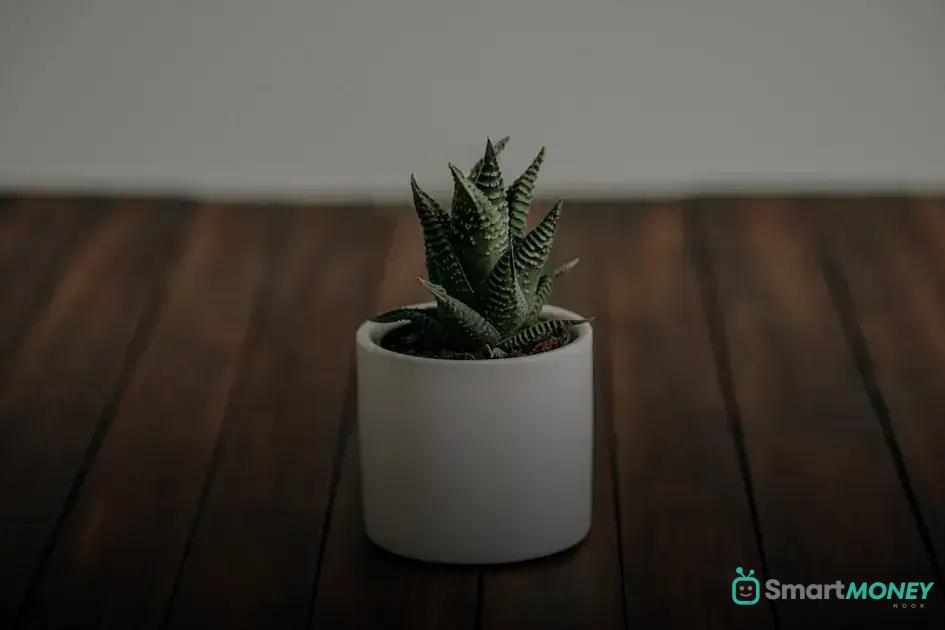
Knowing the right time to prune your plants is crucial for ensuring their health and vigor. Different plants have different optimal pruning times, making it essential to understand the specific needs of your garden. Deciduous trees and shrubs are best pruned during their dormant season, typically in late winter, before new growth begins. This minimizes stress and encourages a burst of fresh growth in spring.
On the other hand, evergreen plants often benefit from pruning in early spring. This timing allows any cuts to heal quickly before new leaves emerge, keeping the plant strong and well-shaped. Flowering shrubs, such as lilacs and forsythias, should be pruned immediately after they bloom, as this is when they set buds for the following year’s flowers.
For fruit trees, pruning is best done in late winter to promote a strong structure for fruit-bearing later in the year. However, keep in mind that summer pruning can also be beneficial for managing growth and improving sunlight reach in dense canopies.
Understanding these seasonal nuances ensures that plants remain healthy and productive. Always research the specific requirements of each species to avoid over-pruning or pruning at an inappropriate time, which could hinder growth or reduce flowering.
Common Mistakes to Avoid
Mistakes in pruning can lead to unhealthy plants. Avoid cutting too much of the plant at once; this can stress the plant and inhibit growth. It’s crucial not to cut too close to the main stem to prevent long-term damage.
Another common error is using dull tools. Dull tools can make jagged cuts that invite disease and pests. Always sharpen your tools before starting.
Not sterilizing pruning tools is another pitfall. Failure to sterilize can spread disease from one plant to another. Use alcohol wipes or a bleach solution to disinfect after each use.
Pruning at the wrong time can also be detrimental. Each plant has its own optimal pruning season, which should be respected to promote healthy growth.
Avoid ignoring plant variety. Different plants have different needs, so tailor your pruning methods accordingly. Follow plant-specific guidelines to ensure you are supporting their growth correctly.
Lastly, avoid pruning too frequently. Over-pruning can be damaging, limiting the plant’s ability to recover and flourish. Stick to a recommended schedule based on each plant type.

 How to Start a Plant Journal to Track Growth Effectively
  Growing Edible Plants Inside Your Kitchen: Tips & Tricks
  How to Rescue a Dying Houseplant: Easy Tips and Tricks